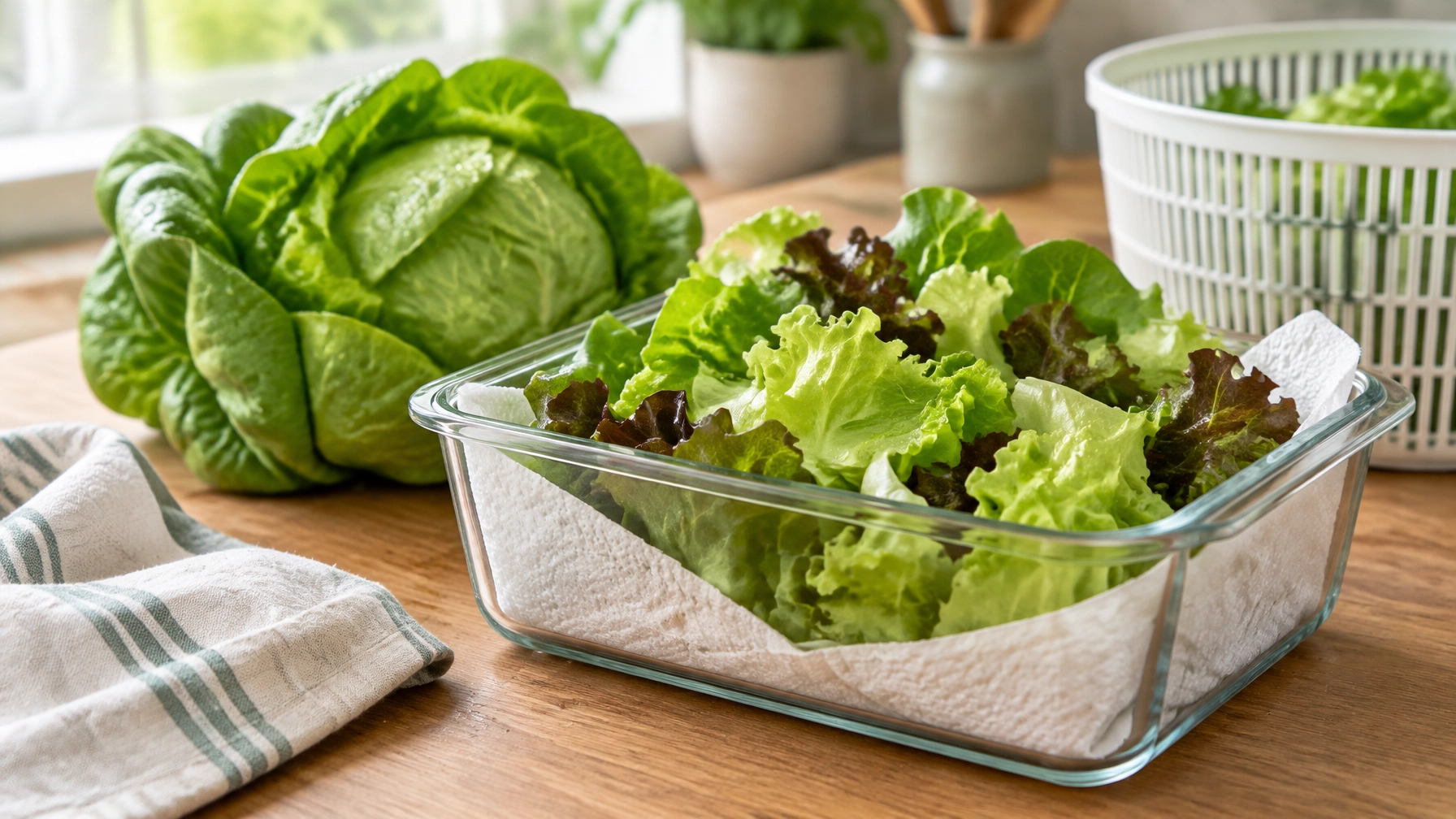
How to Keep Lettuce Fresh for Longer (Greengrocer’s Tips)
To keep lettuce fresh for longer, store it cold and dry, with room to breathe

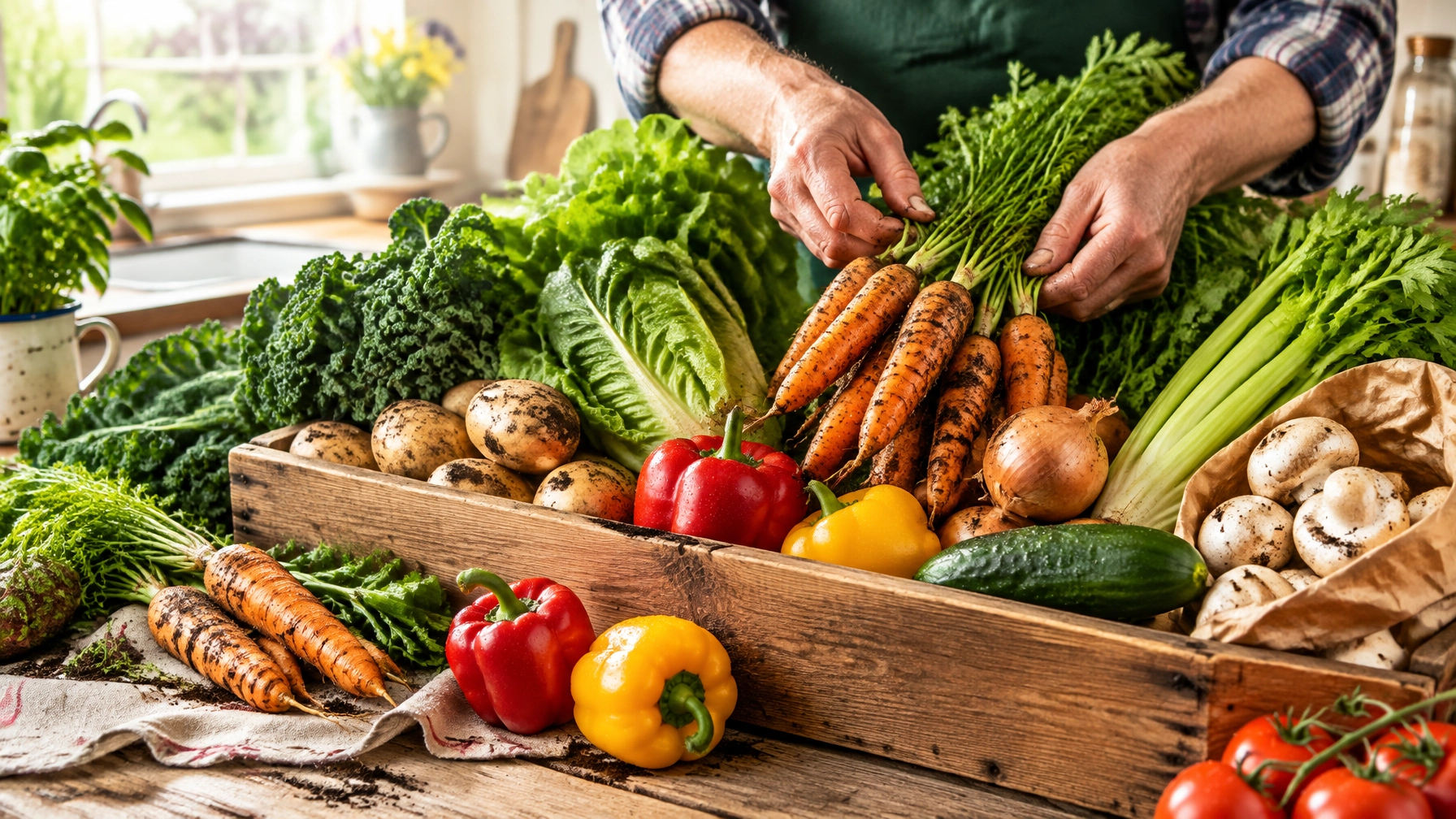
To keep vegetables fresh for longer, store each kind in the right place: leafy greens and most roots in the fridge, potatoes and onions somewhere cool and dark, and tomatoes on the counter. Keep produce dry, give it a little airflow, and store ripening fruit away from vegetables that spoil easily.
It doesn’t take fancy containers to make a difference. A few small changes after unpacking your shopping can help your veg stay crisp, tasty and ready for the next meal.
Match the temperature to the vegetable. The fridge is right for many vegetables, but it can be too cold for some, including tomatoes and cucumbers. Potatoes and dry onions usually do better in a cool, dark cupboard.
Keep things dry, but not parched. Don’t wash most vegetables before storing them. Extra moisture can encourage mould and sliminess, so wash them just before you’re ready to cook or eat. If you do rinse something early, dry it thoroughly first.
Let air move. A sealed plastic bag can trap moisture. Choose a breathable bag or container, leave a little room around the produce, and remove any damp or damaged pieces when you spot them.
Keep ripening fruit separate. Some fruit and vegetables release ethylene, a natural ripening gas. Ripe tomatoes and fruit such as apples can make sensitive vegetables age faster. Keep them apart from leafy greens and carrots where you can.

| Vegetable | Best place to store it | Greengrocer’s tip |
|---|---|---|
| Leafy greens | Fridge, in a breathable bag or container | Keep leaves dry. Add a clean paper towel or tea towel to catch excess moisture, and keep greens away from ripening fruit. |
| Carrots | Fridge, in a breathable bag or container | Remove green tops before storing; they draw moisture from the roots. Keep carrots dry, but don’t let them dry out. |
| Potatoes | Cool, dark, dry cupboard or pantry | Use a paper sack or ventilated box, and keep them away from light and onions. |
| Dry onions | Cool, dry, dark, well-ventilated cupboard | A mesh bag or open basket works well. Store separately from potatoes. |
| Tomatoes | Counter, out of direct sunlight | Keep whole tomatoes at room temperature for better flavour and texture. Refrigerate once cut. |
| Mushrooms | Fridge, in a paper bag or ventilated pack | Store unwashed and keep them away from damp. Clean just before cooking. |
| Peppers | Fridge, in a breathable bag or drawer | Keep them dry and check now and then for soft patches. |
| Cucumbers | Cool spot or the warmer part of the fridge | They can suffer in very cold conditions, so avoid the coldest part of the fridge. |
| Celery | Fridge, wrapped or in a breathable bag | To perk up limp stalks, stand the base in a little clean water in the fridge. |
These are useful starting points rather than strict rules. How long vegetables last depends on how fresh they were when you brought them home, how they were handled and the temperature in your kitchen or fridge.
Our Comber grower, John Hamilton, grows carrots, parsnips and Comber spuds. His freshly harvested “dirty carrots” arrive daily, and in season we also look forward to bunched Comber carrots with their green tops still on.
When you bring bunched carrots home, twist or cut off the tops and store the roots in the fridge. The tops are lovely in a pesto or soup, but keeping them attached can draw moisture from the carrots. Give the tops a wash and use them soon, or store them separately in the fridge.

For spuds, think cool, dark and airy. Don’t leave them in a sunny spot or sealed in a damp plastic bag, and keep them apart from onions. For the full lowdown, read our guide on how to store potatoes so they last for months.
A little water can help celery perk up if it has gone limp. Stand the cut base in a small amount of clean water and put it in the fridge; change the water daily and use the celery soon. Don’t leave the whole bunch sitting in water for days, as excess moisture can encourage it to spoil.
For leafy greens, remove any damaged leaves and check whether the rest are still in good condition. If the leaves are simply wilted, a short soak in cold water may help them crisp up. Dry them well before putting them back in the fridge.
Good storage starts with good produce. We work with local farmers and hand-pick vegetables for our customers, including seasonal produce from John Hamilton in Comber. What’s available changes with the season, so you’ll find a different mix of local favourites throughout the year.

You can browse our fresh vegetable range online, visit us at 66B East Street, Newtownards, BT23 7DD, or call us on (028) 9181 8318. We deliver across Northern Ireland Monday to Friday. Orders placed before 4pm normally arrive around two days later; there’s a £20 minimum order and a £4.99 delivery charge. See our delivery information for details.
“Never” is a bit strong, but whole tomatoes, potatoes and dry onions are usually better outside the fridge. Tomatoes keep more flavour on the counter, while potatoes and onions need a cool, dark, dry and ventilated spot. Cucumbers can also be sensitive to very cold temperatures, so avoid the coldest part of your fridge if you do chill them.
Avoid tying vegetables into airtight plastic bags, as trapped moisture can make them spoil faster. A perforated or breathable bag can be useful for keeping some vegetables from drying out, but check for condensation and remove any damaged pieces.
Sliminess often comes from too much moisture, poor airflow or a vegetable starting to spoil. Keep produce dry before storing, avoid overcrowding it and check the fridge regularly. If vegetables are slimy, mouldy, leaking or smell unpleasant, don’t eat them.
For greens and celery that are wilted but still in good condition, try a short soak in cold water. Dry greens thoroughly before storing or serving, and stand celery upright with its base in a little clean water in the fridge. This can help restore crispness, but it won’t make spoiled vegetables fresh again.
A few good storage habits can save perfectly lovely veg from ending up in the bin. Pick up the vegetables you need from our online range, build a basket to suit your week, or pop into our Newtownards shop for a bit of advice and a bit of craic.
To keep lettuce fresh for longer, store it cold and dry, with room to breathe
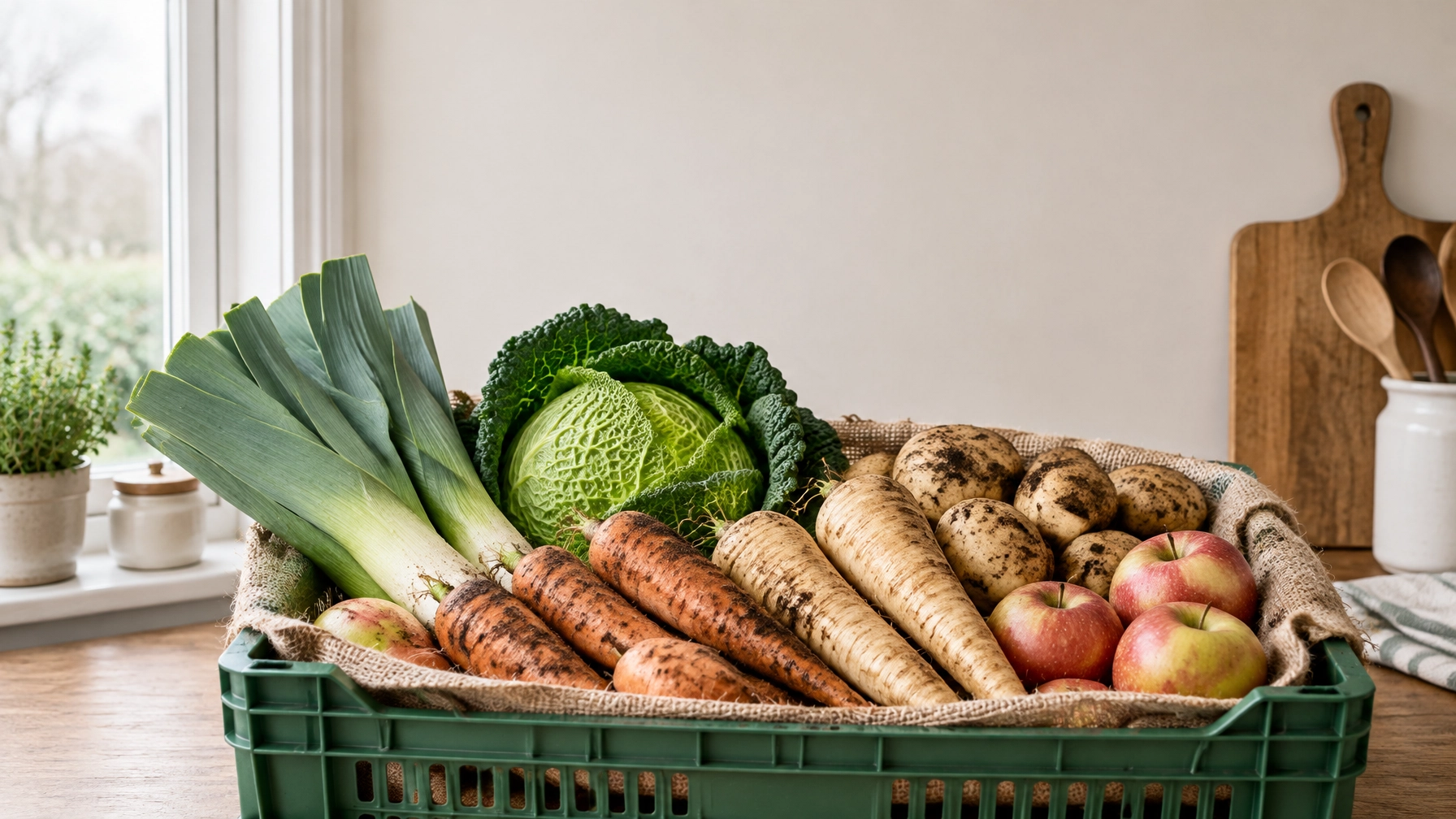
Want lovely fresh produce without adding another supermarket trip to your week? Ordering fruit and
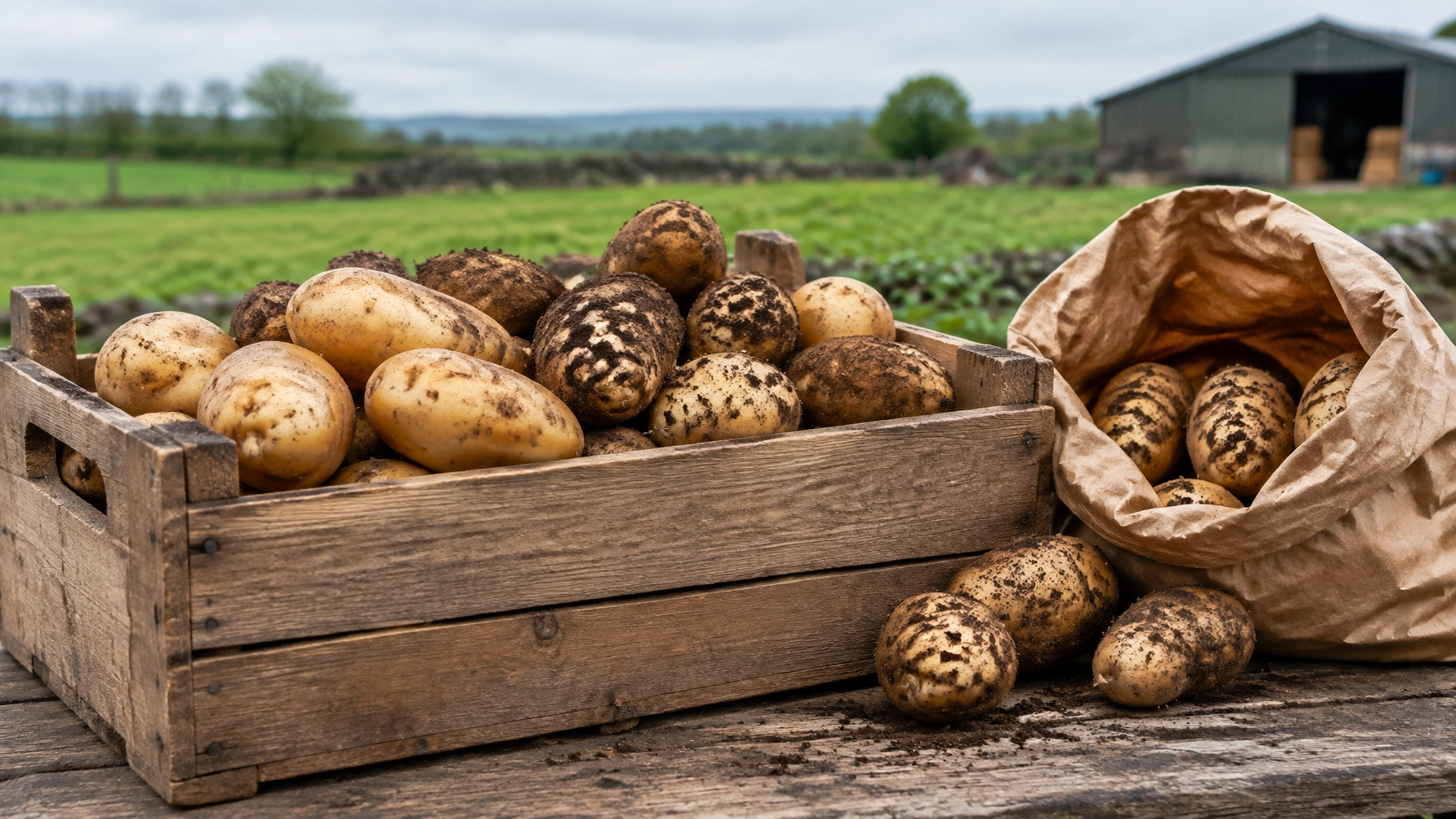
To store potatoes for months, keep them cool, dark, dry and well ventilated in a

We source most of our carrots from local farms about 4 miles from us. Carrots