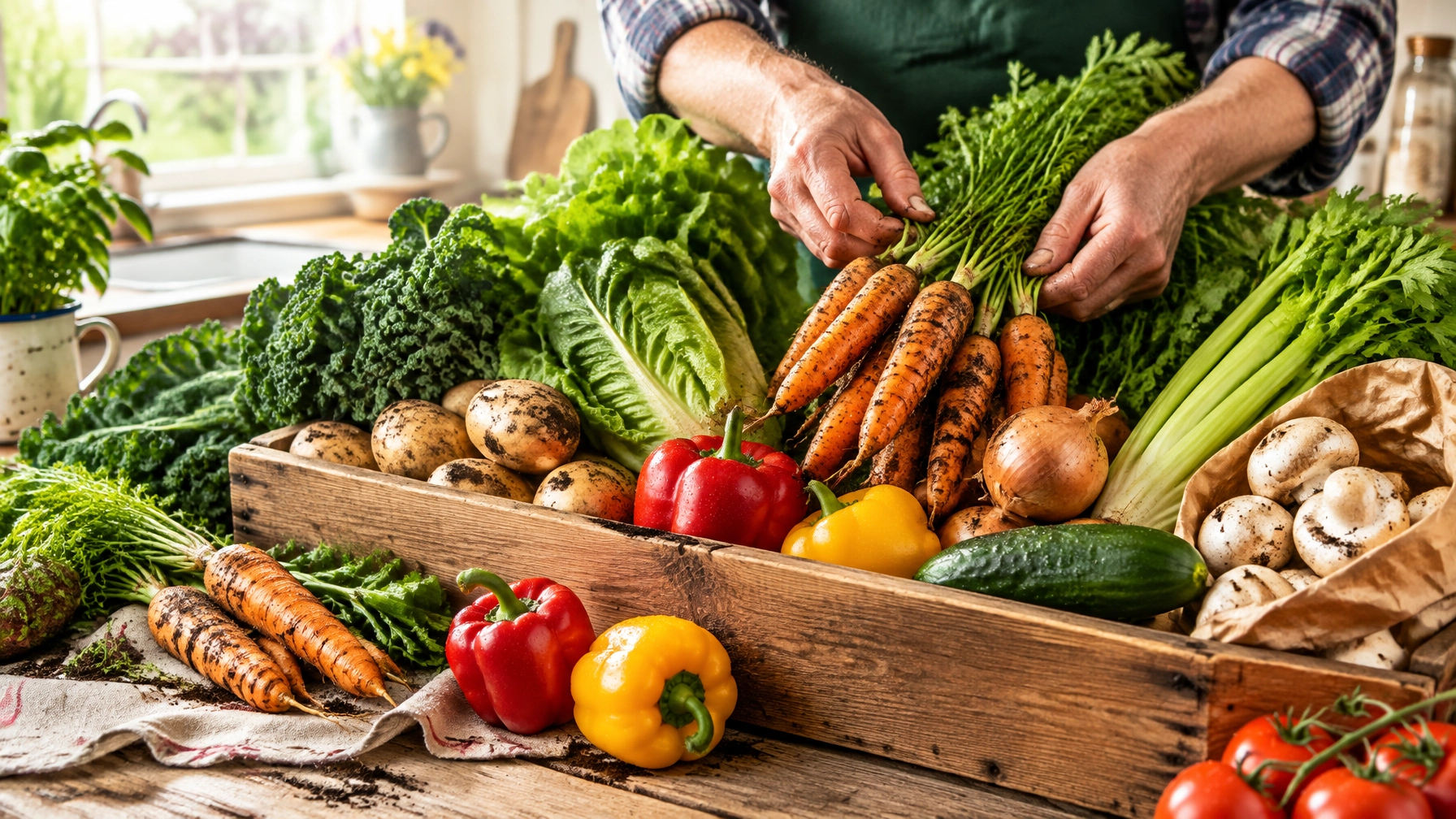
How to Keep Vegetables Fresh for Longer: The Complete Greengrocer’s Guide
To keep vegetables fresh for longer, store each kind in the right place: leafy greens

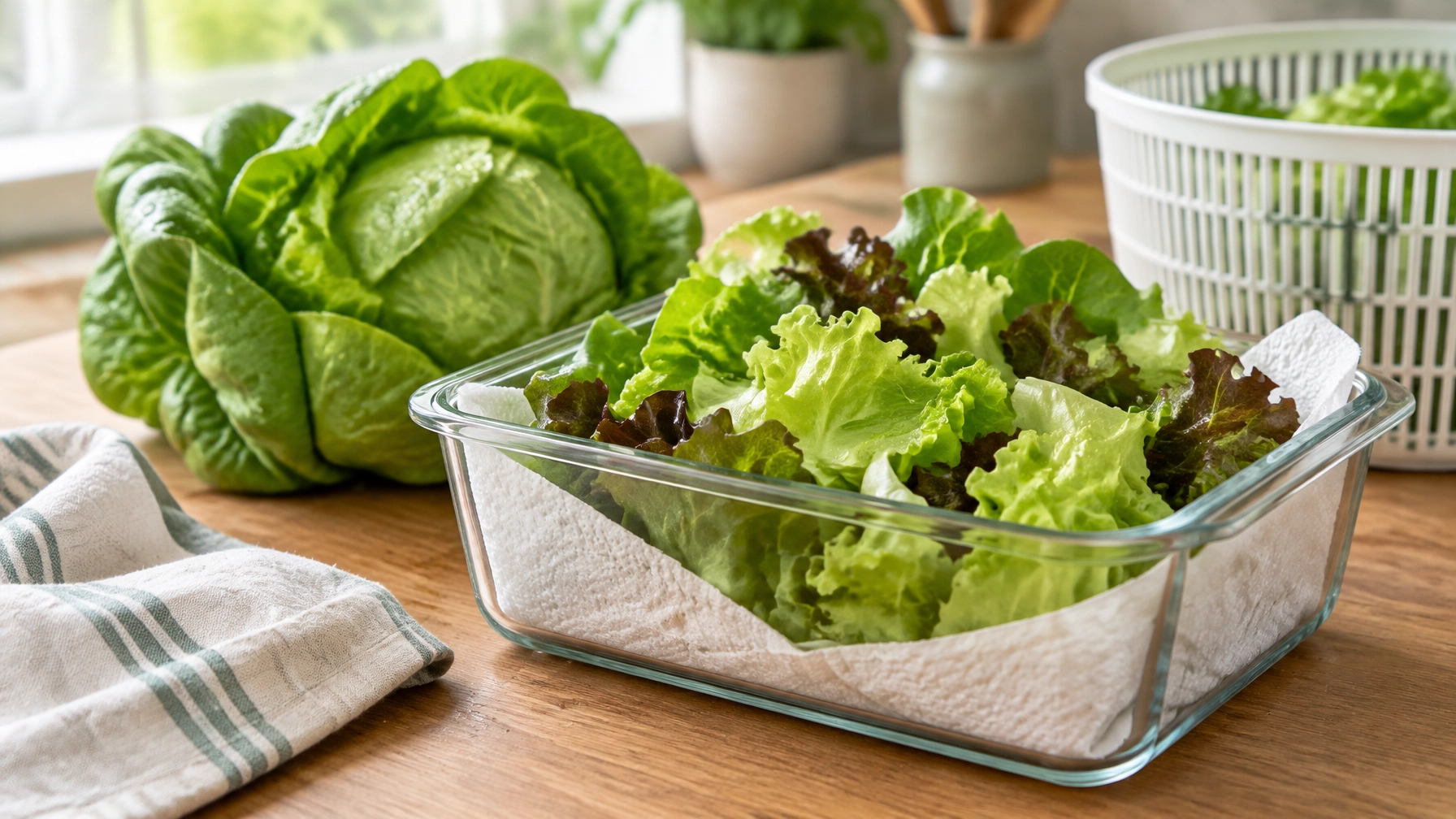
To keep lettuce fresh for longer, store it cold and dry, with room to breathe and a sheet of kitchen paper to catch condensation. Handle the leaves gently, keep them in the fridge’s crisper drawer and store them away from apples and bananas.
Lettuce is mostly water, so it can wilt when moisture escapes from the leaves. Bruising and trapped dampness can also leave it limp or encourage it to spoil. A few simple habits make a difference, whether you’ve brought home a whole head or a bag of salad leaves.
If you’ve washed your lettuce, dry it thoroughly before putting it away. A salad spinner is handy, but a clean tea towel works too: spread the leaves out and pat them gently until they’re dry.
Then place them loosely in a clean, dry container or bag, with a sheet of kitchen paper to absorb condensation. Avoid packing the leaves tightly or sealing visibly wet lettuce away in an airtight container. If the paper feels damp later, replace it.
Keep the container in the crisper drawer, where lettuce can stay cool without getting squashed by heavier items. Try not to push it right against the coldest part of the fridge, where leaves may freeze.

You can wash lettuce ahead of time if you dry it really well afterwards. But if you’re short on time or don’t have a salad spinner, it’s perfectly practical to leave it unwashed and rinse it just before you use it.
For bagged leaves marked “ready to eat” or “pre-washed”, follow the pack instructions; there’s usually no need to wash them again. Once the bag is open, keep the leaves cold and dry, and close the pack carefully or transfer them to a clean container with kitchen paper.
The main thing is to avoid storing lettuce while it’s wet. Water left between the leaves can collect in the bottom of the bag or container, making them more likely to turn slimy.
A whole head has its leaves held together, which helps protect the inside from handling. Keep it unwashed until you need it, remove any damaged outer leaves, then store it in a loosely closed bag or container with kitchen paper. Don’t squeeze or squash it in the fridge.
Bagged leaves are already separated, so they’re more exposed to air and handling. They can be convenient for a quick lunch, but once opened they’re best used promptly. Check the use-by date, keep them chilled and remove any leaves that look damaged rather than letting them sit with the rest.
| Type | A handy way to store it |
|---|---|
| Whole head | Keep unwashed and dry; remove damaged outer leaves and store loosely in the crisper drawer. |
| Washed leaves | Dry thoroughly, then store loosely with kitchen paper in a clean container or bag. |
| Opened bagged leaves | Follow the pack instructions, reseal or transfer to a clean container, and use promptly. |
Apples and bananas release ethylene, a natural gas that can speed up changes in some vegetables, including yellowing and discolouration in lettuce. Keep your lettuce in a different drawer or container from these fruits where you can.
A little space in the fridge can help avoid squashing the leaves too. Store heavier produce separately and don’t cram a head of lettuce into a full drawer.
If the leaves are a bit limp but otherwise look and smell sound, try giving them an ice-cold soak. Separate the leaves, place them in a bowl of cold water with a few ice cubes for 10–15 minutes, then drain and dry them thoroughly before serving.
This can help refresh leaves that have lost a little crispness. It won’t make lettuce that’s slimy, mouldy or badly spoiled safe to eat, so use your judgement and discard anything that seems off.

If you’re keeping other produce in the kitchen too, our guide on how to store potatoes so they last for months has practical tips for giving your spuds a good home.
A good salad starts with fresh ingredients, and we have a fresh salad range alongside vegetables, fruit and other everyday favourites. You can browse our vegetables and build a custom basket with the things you’ll actually use.

You’re also welcome to visit us at 66B East Street, Newtownards, BT23 7DD. If you’re ordering online, we deliver across Northern Ireland Monday to Friday. There’s a £20 minimum order and a £4.99 delivery charge; orders placed before 4pm normally arrive around two days later. See our delivery information for the full details.
You can, as long as you dry it thoroughly before storing it. Otherwise, leave it unwashed and rinse it just before eating. For pre-washed bagged leaves, follow the pack instructions.
Cut or bruised edges can discolour as they’re exposed to air. Ethylene from nearby fruit can also contribute to some discolouration. Remove small affected edges if the lettuce is otherwise fresh, but discard leaves that are slimy, mouldy or smell unpleasant.
Lettuce doesn’t freeze well for salads. Its high water content means it can turn limp and lose its crisp texture when thawed, so it’s better enjoyed fresh.
Cut lettuce is more exposed to air and handling than whole leaves, so it’s best used promptly. Keep it chilled and dry, and check it before use; there isn’t one guaranteed storage time because freshness depends on how it was handled and stored.
Either is fine. A knife can leave a clean cut, while tearing may suit some leaves; the important part is to avoid bruising them and not cut more than you need ahead of time. Use a clean knife or clean hands.
For crisp salads at home, choose the leaves you fancy, keep them cold and dry, and give them a gentle hand. Browse our fresh salad range or build your own basket at homegrownni.uk: we’ll be happy to help.
To keep vegetables fresh for longer, store each kind in the right place: leafy greens
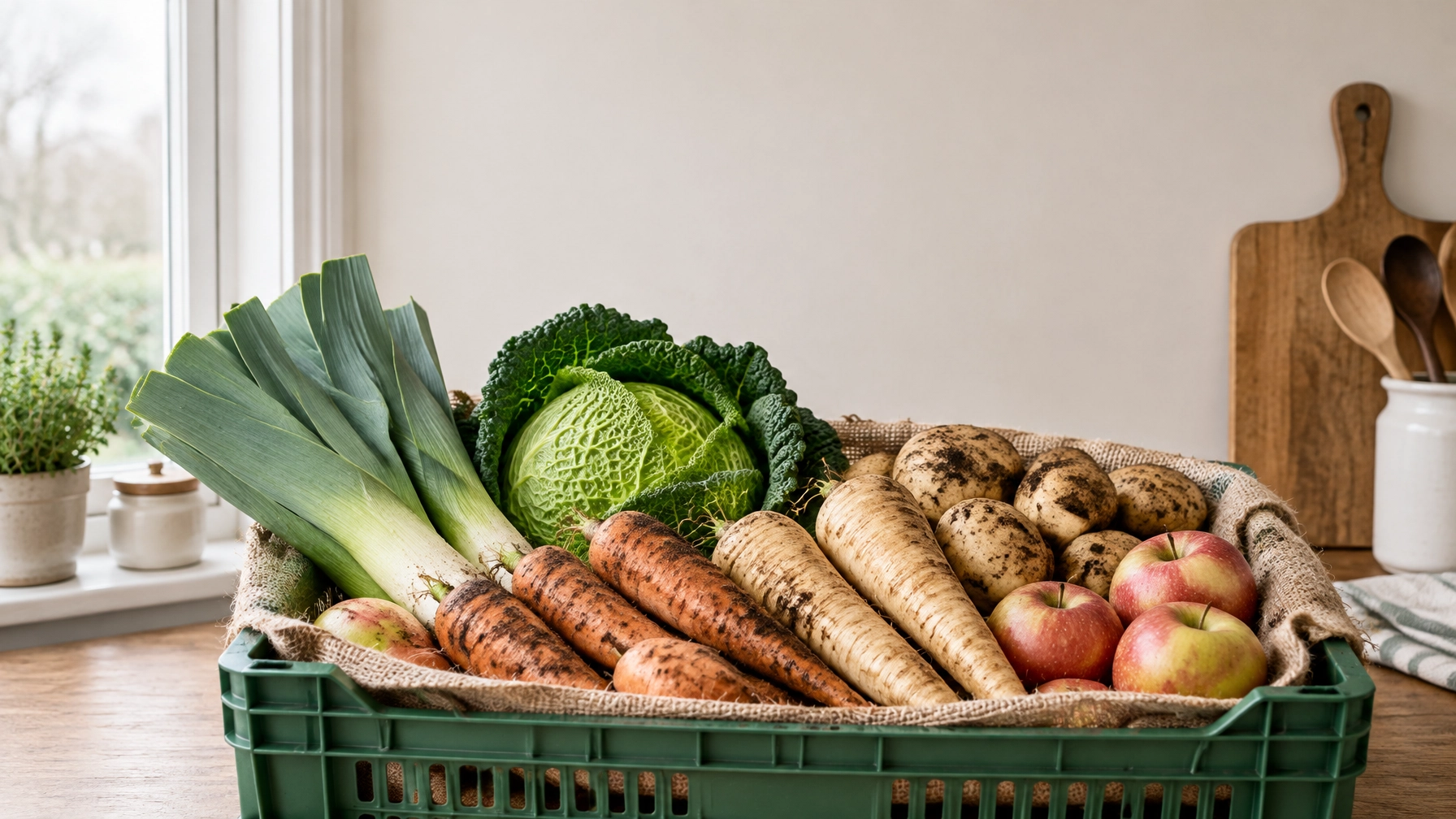
Want lovely fresh produce without adding another supermarket trip to your week? Ordering fruit and
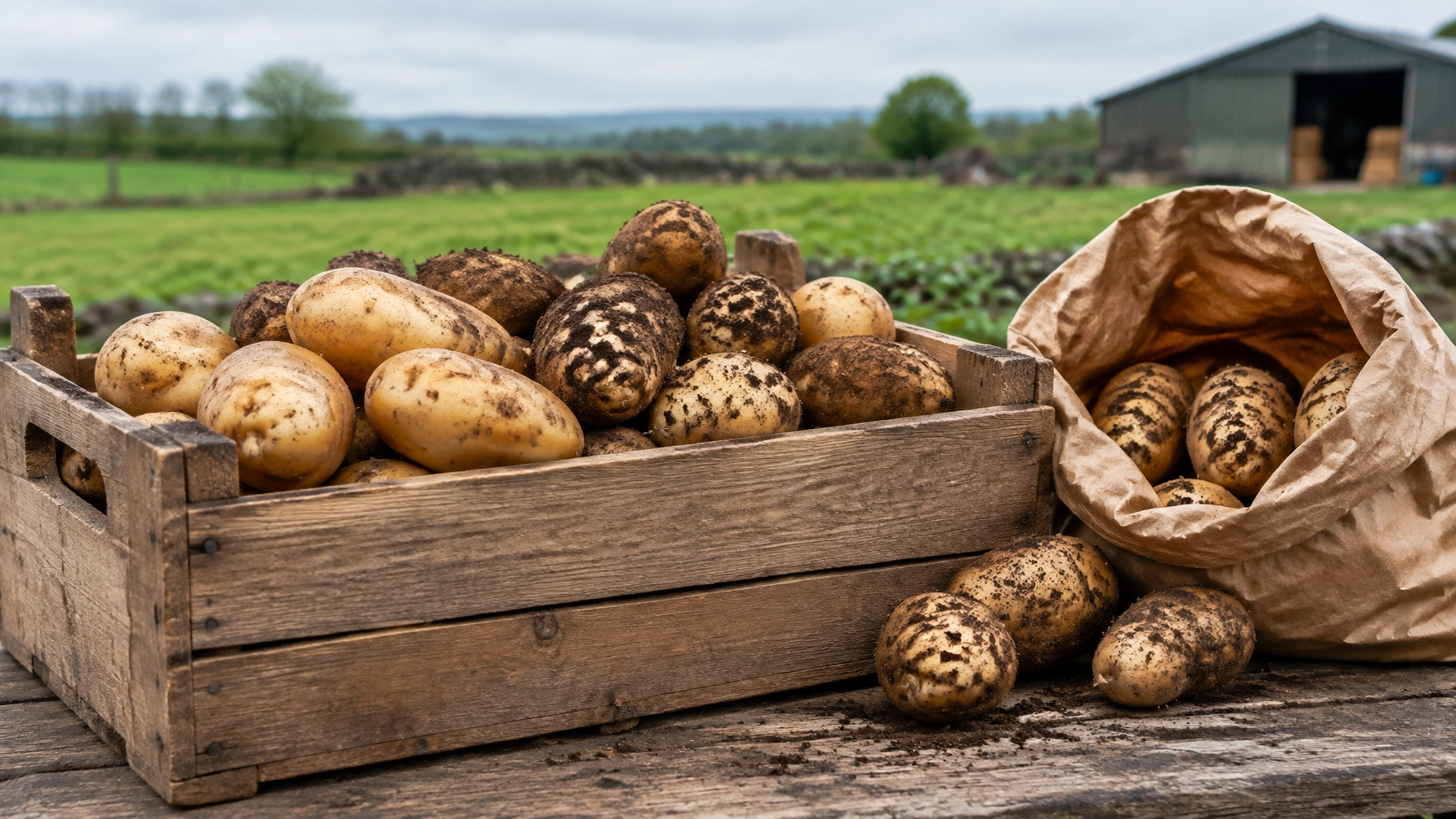
To store potatoes for months, keep them cool, dark, dry and well ventilated in a

We source most of our carrots from local farms about 4 miles from us. Carrots